The moment you hold your newborn, a wave of profound love washes over you, often accompanied by a flurry of ‘what if’ questions. Every new parent quickly realizes that preparing for a baby involves more than just decorating a nursery; it demands assembling a comprehensive collection of practical tools. This essential preparation is precisely why the video above highlights ten indispensable items, forming the core of any effective baby care kit essentials. Understanding these key components empowers you to handle common infant needs with confidence and ease, creating a reassuring environment for both you and your little one.
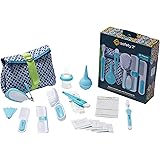
A thoughtfully assembled baby care kit becomes your trusty command center, ready for everything from minor sniffles to routine hygiene tasks. Pediatricians frequently advise parents to have these foundational items on hand well before the baby’s arrival, ensuring readiness for those first few weeks. We will delve deeper into each of these critical tools, explaining their purpose, offering practical usage tips, and discussing why they are absolute must-haves for your baby care kit essentials.
Ensuring Your Baby’s Health: Essential Medical Tools
Monitoring your baby’s health can feel daunting, but having the right tools makes a significant difference in promptly addressing concerns. Many routine health checks become simpler and more accurate with the proper equipment readily available in your home. Equipping yourself with these items is a proactive step towards maintaining your infant’s well-being and quickly responding to any changes in their health status, thereby minimizing stress.
Digital Thermometer: A First Line of Defense
Detecting a fever early is paramount in infant care, as an elevated temperature can signal various underlying issues requiring medical attention. A reliable digital thermometer is undoubtedly one of the most important items in any baby care kit essentials collection. Pediatric guidelines consistently recommend using a rectal thermometer for infants under three months to ensure the most accurate temperature readings, providing critical information for healthcare providers.
Parents should familiarize themselves with the correct technique for taking a rectal temperature, which involves lubricating the thermometer tip and inserting it gently about half an inch. Forehead or ear thermometers offer convenience for older babies, but their accuracy can sometimes vary compared to rectal measurements. Keeping a digital thermometer clean and readily accessible ensures you are prepared to monitor your baby’s health effectively at any given moment, offering immediate insight into their condition.
Medicine Dropper: Precise Dosing for Infants
Administering medication to an infant requires precision, as even small variations in dosage can be significant for their tiny bodies. A dedicated medicine dropper or oral syringe allows for exact measurement and controlled delivery of prescribed liquid medications, preventing spills and ensuring the baby receives the full dose. This precision tool is far superior to household spoons, which lack accuracy and can lead to under or over-dosing.
Many infant medications come with their own dosing devices, but having an extra, clearly marked dropper in your baby care kit essentials is always a wise precaution. Parents typically find that a slow, steady administration into the side of the baby’s mouth helps prevent gagging or spitting out the medicine. Proper dosing ensures the medication is effective and minimizes potential side effects, underscoring the importance of this simple yet crucial item.
Nasal Aspirator: Clearing Tiny Airways
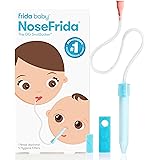
Babies breathe primarily through their noses, and even mild congestion can significantly impact their comfort, feeding, and sleep patterns. A nasal aspirator becomes an indispensable tool for safely and effectively clearing mucus from your infant’s delicate nasal passages, facilitating easier breathing. Studies indicate that clear airways are vital for proper oxygen intake and uninterrupted rest in newborns, highlighting the aspirator’s critical role.
Whether you choose a bulb syringe, a manual suction aspirator, or a newer electric model, understanding its proper use is essential to avoid irritating the nasal lining. Pediatricians often recommend using saline drops to loosen thick mucus before aspiration, enhancing the effectiveness of the process. Regularly clearing congestion prevents more severe respiratory issues and greatly improves your baby’s overall well-being, making it a foundational element of your baby care kit essentials.
Gentle Grooming: Keeping Your Baby Clean and Comfortable
Maintaining proper hygiene and grooming routines is crucial not only for your baby’s cleanliness but also for their comfort and health. Gentle grooming practices help prevent common issues like skin irritation, scratches, and scalp conditions. Assembling a collection of specialized grooming tools ensures you can perform these tasks safely and effectively, contributing significantly to your baby’s daily comfort and overall development.
Baby Nail Care: Cutters, Filers, and Scissors
Infants often have surprisingly sharp nails, which can lead to accidental scratches on their delicate skin or even on yours. Managing these tiny nails requires specialized tools designed for safety and ease of use, making a baby nail care set a key component of your baby care kit essentials. Most kits include tiny nail clippers with rounded edges, soft-tipped nail files, and small scissors with blunt tips to minimize the risk of injury.
Many parents prefer trimming their baby’s nails while they are asleep or after a bath when the nails are softer and the baby is calmer. Using the nail file can gently smooth any sharp edges left by clipping, preventing snags and further reducing the chance of scratches. Regular nail care is a small but vital practice that protects your baby’s skin and keeps them comfortable throughout their active day.
Soft Bristles: Baby Hair Brush and Comb
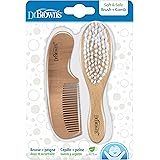
Even newborns with sparse hair benefit from gentle scalp care, which can help stimulate the scalp and prevent conditions like cradle cap. A soft-bristled baby brush and a fine-toothed comb are gentle yet effective tools for managing your baby’s hair and scalp. These items are designed to be kind to a baby’s sensitive skin, making them perfect additions to your baby care kit essentials.
Brushing your baby’s hair can be a soothing part of their daily routine, often aiding in relaxation before bedtime. For babies experiencing cradle cap, gently brushing the scalp after applying a small amount of baby oil can help loosen flakes, allowing for their removal during bath time. This simple practice promotes healthy scalp development and contributes to your baby’s overall neatness, providing a comforting touch.
Plastic Tweezer: For Those Tiny Intruders
A small, plastic-tipped tweezer might seem like an unusual item for a baby care kit essentials, but it proves incredibly useful for handling delicate situations. Babies explore their environment with their mouths and hands, sometimes picking up tiny pieces of lint, fuzz, or even small splinters. Traditional metal tweezers can be too sharp and intimidating for use on a baby’s sensitive skin.
The plastic tweezer offers a safer alternative for carefully removing these minor irritants from your baby’s skin, clothing, or even their mouth. Its blunt, soft tips are designed to grasp small objects without pinching or scratching the baby. This specialized tool provides a safe and effective way to address those tiny, unexpected intrusions that might otherwise cause discomfort or irritation for your little one.
Baby Teeth Brush: Starting Oral Hygiene Early
Even before your baby’s first tooth emerges, establishing good oral hygiene practices is crucial for their long-term dental health. A soft baby teeth brush, often a finger brush or a small brush with extra-soft bristles, helps gently clean your baby’s gums and any nascent teeth. Dental professionals frequently recommend beginning gum cleaning within the first few days after birth to remove milk residue.
Massaging your baby’s gums with a soft brush can also provide relief during teething, making this tool multi-functional. As soon as the first tooth appears, daily brushing with a tiny smear of fluoride-free baby toothpaste (unless advised otherwise by a dentist) is recommended to prevent early childhood cavities. This early introduction to oral care within your baby care kit essentials sets a positive foundation for a lifetime of healthy dental habits.
Your Baby Care Kit Essentials Q&A
What is a baby care kit and why do I need one?
A baby care kit is a collection of essential practical tools for a newborn’s health and hygiene. It helps new parents confidently handle common infant needs and minor issues, especially during the first few weeks.
How can I check my baby’s temperature accurately?
For infants under three months, pediatricians recommend using a rectal digital thermometer for the most accurate reading. Remember to gently lubricate the tip and insert it about half an inch.
What can I use if my baby has a stuffy nose?
A nasal aspirator is an indispensable tool for safely and effectively clearing mucus from your infant’s delicate nasal passages. This helps them breathe easier, which is vital for feeding and sleep.
Why is it important to trim my baby’s nails?
Babies often have surprisingly sharp nails that can lead to accidental scratches on their delicate skin. Regular nail care protects your baby’s skin and keeps them comfortable.