As parents, navigating the myriad of choices for our children’s health and well-being often feels like a full-time job. One of the most common questions frequently posed to dermatologists and pediatric experts revolves around the necessity of a dedicated children’s skincare routine. While many new parents might feel overwhelmed, the answer, as board-certified dermatologist Dr. Jenny Liu explains in the accompanying video, is a nuanced “yes and no.” Building effective habits early can lay a strong foundation for lifelong skin health, yet the routine itself does not need to be overly complex.
Establishing a simple yet consistent skincare regimen for children, particularly infants and toddlers, extends beyond mere product application. It can serve as a vital component of a structured daily schedule, such as a calming bedtime ritual. Dr. Liu shares her personal experience as a busy new mom, highlighting how incorporating skincare into her daughter Sophia’s nighttime routine helped both of them settle into a predictable and comforting rhythm. This early habit formation is invaluable, preparing children for future self-care tasks as they grow older.
Addressing Unique Skin Needs: Eczema and Dry Skin in Children
A child’s skin is inherently more delicate and susceptible to environmental factors than adult skin. Many children, like Dr. Liu’s daughter, may also inherit a predisposition to certain skin conditions, such as eczema. In Sophia’s case, signs of eczema emerged as early as six months old, manifesting as diaper dermatitis and recurring patches behind the knees and on the arms during the dry, cold winter months – classic areas for pediatric eczema.
Understanding these vulnerabilities is crucial for tailoring an effective children’s skincare routine. Both parents being “atopic” – meaning they have conditions like eczema, asthma, or seasonal allergies – significantly increases a child’s likelihood of developing similar issues. Therefore, adopting a preventative and protective approach becomes paramount, focusing on strengthening the skin’s natural barrier against potential irritants and dryness.
Essential Pillars of a Gentle Children’s Skincare Routine
For most children, particularly before the onset of puberty, a comprehensive skincare routine focuses on three primary components: cleansing, moisturizing, and sun protection. While adult routines often incorporate various active ingredients like retinoids or exfoliants, these are generally considered too advanced and unnecessary for young, developing skin. The emphasis remains on gentle care and barrier support.
The Art of Gentle Cleansing and Bathing Practices
Contrary to a widespread misconception, bathing itself does not cause eczema. However, improper bathing techniques can exacerbate dry skin and compromise the skin barrier. Dr. Liu emphasizes a “less is more” approach when it comes to cleansing, recommending a single daily wash, typically incorporated into a bedtime routine. The goal is to cleanse without stripping the skin of its essential oils.
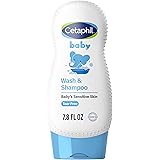
When bathing children, maintaining a comfortably warm water temperature is essential; hot water can be extremely irritating and drying, especially for sensitive or eczema-prone skin. Furthermore, minimizing the use of soap is highly recommended. Apply cleanser only to areas where there is visible dirt or odor, such as the diaper area. Even the mildest cleansers can slightly disrupt the skin’s lipid and protein balance, making judicious application important. Keeping bath time brief, ideally no more than 20 minutes, helps prevent excessive moisture loss from the skin.
Nourishing the Skin with the Right Moisturizers
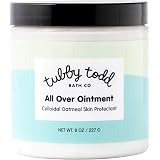
Applying moisturizer promptly after bathing, while the skin is still damp, is one of the most effective strategies for locking in hydration. This “soak and seal” method is particularly beneficial for children with dry or eczema-prone skin. Dr. Liu often alternates moisturizers for her daughter based on seasonal needs and skin condition.
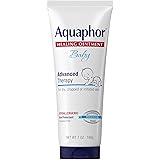
In colder, drier months, a thicker, more occlusive balm like La Roche-Posay Lipikar AP Balm or even pure petrolatum (e.g., Aquaphor) can provide intensive hydration and barrier support. Conversely, during warmer, more humid periods, a lighter yet still hydrating lotion, such as CeraVe Moisturizing Lotion, might be preferred. These lotions often contain ceramides, which are vital lipids that help repair and maintain the skin’s natural barrier. For parents managing active eczema patches, prescription-strength ointments are typically applied after moisturizing to maximize their efficacy.
Navigating Sun Protection for Young Skin
Sun protection forms a critical element of any children’s skincare routine, with habits ideally formed early in life. For infants under six months old, sunscreen use is generally discouraged. Instead, protective clothing, wide-brimmed hats, and seeking shade are the primary methods of sun defense. Once babies reach six months of age, mineral-based sunscreens become the recommended choice.
Mineral sunscreens, which contain zinc oxide and titanium dioxide, sit on the skin’s surface and physically block UV rays. While chemical sunscreens are generally deemed safe for older children, Dr. Liu personally feels they are suitable for those aged three years and above. When selecting sunscreens, formulations designed for sensitive adult skin can often be used interchangeably with baby-specific products, simplifying choices for families. Look for products that offer broad-spectrum protection and a suitable SPF. Water-resistant formulas, such as the CeraVe Baby mineral sunscreen with its 80-minute water resistance, are particularly beneficial for active children who sweat or play in water.
Key Ingredients to Avoid in Children’s Skincare
When selecting products for a child’s delicate skin, vigilance regarding certain ingredients is paramount. Harsh surfactants, often found in strong soaps, can strip the skin of its natural oils, leading to dryness and irritation. Fragrances, a common allergen, are also frequent triggers for eczema and can impair the skin barrier. Therefore, choosing gentle, fragrance-free cleansers and moisturizers formulated for sensitive or hypoallergenic skin is always the safest approach.
While no product is guaranteed to be entirely non-irritating for every individual, hypoallergenic options are generally formulated with a reduced risk of allergic reactions, making them a better choice for young, sensitive, and eczema-prone skin. Prioritizing products with simple, nourishing ingredient lists helps to protect and support the developing skin barrier.
Effectively Removing Mineral Sunscreen
One common challenge associated with mineral sunscreens is the residual white cast they can leave on the skin. While some parents may feel compelled to scrub vigorously, this can irritate sensitive skin. Dr. Liu advises sticking to gentle cleansers for daily removal. However, for more tenacious, water-resistant mineral sunscreens, an affordable and effective trick involves using an oil-based cleanser or a simple body oil.
Applying a product like Neutrogena body oil or even a small amount of melted coconut oil to the skin helps break down the sunscreen, acting much like a cleansing balm. After gently massaging the oil, it can be rinsed off or followed with a mild cleanser to remove any oily residue. This method ensures thorough removal without causing unnecessary friction or irritation to the child’s delicate skin, maintaining the integrity of their children’s skincare routine.
Unpacking Young Skin Needs: Your Q&A with the Dermatologist
Do kids need a skincare routine?
Yes, establishing a simple yet consistent skincare routine can lay a strong foundation for lifelong skin health. It doesn’t need to be overly complex, focusing on basic care.
What are the essential parts of a children’s skincare routine?
For most children, especially before puberty, a comprehensive skincare routine focuses on three primary components: gentle cleansing, moisturizing, and sun protection.
How should I bathe my child to keep their skin healthy?
Use comfortably warm water and keep bath time brief, ideally under 20 minutes. Only apply gentle cleanser to visibly dirty or odorous areas to avoid stripping the skin.
What kind of sunscreen is best for young children?
For infants under six months, use protective clothing and shade instead of sunscreen. For babies six months and older, mineral-based sunscreens containing zinc oxide and titanium dioxide are recommended.
What ingredients should I avoid in my child’s skincare products?
It’s best to avoid harsh surfactants (strong soaps) and fragrances. These can strip the skin of its natural oils and are common triggers for irritation or eczema.