Understanding Your Baby’s Delicate Skin: Essential Care Tips
Nurturing a newborn is a journey filled with joy and discovery, yet it also presents unique challenges, particularly when it comes to their delicate skin. Unlike adult skin, an infant’s skin barrier is still developing, making it more susceptible to dryness, irritation, and environmental factors. Consequently, understanding these unique characteristics is paramount for providing optimal baby’s skin care.
This comprehensive guide, building upon the insights shared in the video above by a dermatologist, aims to equip parents with the knowledge and practical strategies necessary to protect and maintain their baby’s healthy skin. By focusing on gentle routines and appropriate product choices, you can effectively address common concerns and promote overall infant well-being.
Distinctive Qualities of Infant Skin
The fundamental differences between infant and adult skin dictate specific care approaches. Firstly, a baby’s skin barrier is not fully formed, meaning it is thinner and more permeable. This increased permeability allows for easier absorption of substances, both beneficial and potentially harmful, and significantly contributes to increased transepidermal water loss, leading to dry skin.
Furthermore, an infant’s skin possesses immature thermoregulation capabilities. Vasodilation, or the widening of blood vessels on the skin’s surface, occurs more readily in babies, causing them to lose heat much more easily than adults. Therefore, in cooler environments, it is crucial to dress your baby in at least one more layer of clothing than an adult would wear to help them retain body heat effectively.
Daily Regimen for Healthy Baby’s Skin
A consistent and gentle skincare routine is key to preventing dryness and irritation. Given the propensity for infant skin to become dry, the diligent application of a light moisturizer is often recommended. However, it is equally important to avoid certain ingredients that can exacerbate sensitivity.
Avoiding Irritants and Embracing Gentle Massage
Certain ingredients, while common in some traditional practices, can be highly irritating to a baby’s developing skin. For instance, strong spices such as garlic, cloves, or cumin should never be applied directly to the skin, as they can cause redness and discomfort. Similarly, camphor oils are often too potent for a newborn’s sensitive dermis, potentially leading to adverse reactions.
Conversely, a gentle body massage offers numerous benefits for a baby’s overall health and well-being, including improving circulation and promoting relaxation. For this purpose, plain coconut oil or a high-quality baby oil can be utilized. Ensuring the oil is free from any added irritants, such as those mentioned previously, is critical for safe application.
Bathing Best Practices for Infant Skin Care
Bathing is an essential part of baby’s skin care, but it requires careful attention to detail. Always use lukewarm water; water that is too hot can strip the skin of its natural oils, while water that is too cold can cause discomfort and further compromise thermoregulation. Short, warm baths are generally preferred over prolonged exposure to water.
After bathing, meticulous drying of body folds is imperative. Areas such as the neck, underarms, between the thighs, and in the groin can trap moisture, creating a warm, damp environment conducive to fungal infections or skin irritation. Gently patting these areas dry with a soft towel helps prevent such issues before clothing the baby.
Addressing and Preventing Diaper Rash
Diaper rash is a common concern for many parents, with a higher incidence noted between six to eight months of age as babies become more mobile and their diets may introduce new irritants. Proactive measures are therefore vital in maintaining the integrity of the skin in the diaper area.
The Role of Diaper Rash Cream
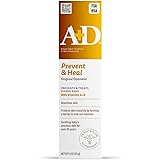
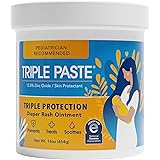
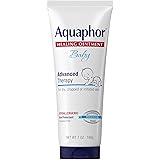
A protective barrier cream, typically containing zinc oxide, is highly effective in preventing diaper dermatitis. This cream forms a physical layer on the skin, shielding it from the constant exposure to urine and feces, which are primary irritants. Regular application of a plain zinc oxide cream to the buttock and groin areas establishes this crucial protective coating.
In addition to barrier creams, providing your baby with “diaper-free time” is a simple yet powerful strategy. Allowing the skin in the diaper area to air out for several hours each day significantly reduces moisture and minimizes the chances of rash development. For instances of persistent or severe diaper rash, opting for breathable cotton nappies instead of commercial disposable varieties can offer a gentler alternative and promote healing.
Selecting Appropriate Body Lotions and Avoiding Powders
Maintaining skin hydration is a cornerstone of effective infant skin care, and body lotions play a significant role. Regular moisturization helps to reduce redness, itching, and general irritation that a baby may experience. When choosing a body lotion, ingredient awareness becomes key.
Beneficial Lotion Ingredients
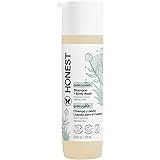
High-quality baby lotions often feature humectants like glycerine and emollients such as mineral oil, which work together to attract and seal moisture into the skin. Some formulations also include soothing agents like xylitol, mannitol, or chamomile extract, known for their calming properties. Fragrance-free options are frequently recommended for sensitive skin to minimize the risk of irritation, although some babies tolerate mild fragrances well.
Another excellent ingredient to look for is oat extract, which possesses natural anti-inflammatory properties. This can be particularly beneficial for babies with dry, itchy, or sensitive skin, providing a soothing effect and helping to restore the skin’s natural balance. Always ensure that any product you select has undergone rigorous safety testing for infant use.
Cautious Approach to Baby Powders
While baby powder has been a traditional staple, its use warrants significant caution. Irrespective of the brand, there is always a risk of inhalation, which can pose respiratory concerns for infants. Consequently, many dermatologists advise against the routine use of baby powder.
If its application is deemed absolutely necessary, perhaps in areas like the underarms or groin, extreme care must be exercised. Ensure the baby’s face is turned away from the application area, and use only a very small quantity. This minimizes the risk of airborne particles being inhaled, safeguarding your baby’s respiratory health while maintaining focus on effective baby’s skin care practices.
Gentle Answers for Your Baby’s Skin: A Dermatologist Q&A
Why is a baby’s skin different from an adult’s?
A baby’s skin barrier is still developing, making it thinner and more permeable than adult skin. This means it can absorb substances more easily and lose moisture more quickly.
What ingredients should I avoid putting on my baby’s skin?
You should never apply strong spices like garlic, cloves, or cumin, or camphor oils directly to your baby’s skin, as they can cause irritation.
What are the best practices for bathing my baby?
Use lukewarm water for short, warm baths, and always meticulously dry body folds like the neck and groin after bathing to prevent irritation.
How can I help prevent diaper rash?
Regularly apply a protective barrier cream with zinc oxide to your baby’s bottom and allow for “diaper-free time” to air out the skin.
Is it safe to use baby powder on my infant?
Many dermatologists advise against the routine use of baby powder due to the risk of inhalation, which can cause respiratory problems for infants.