Understanding Infant Skin Health: A Dermatological Perspective on Homemade Remedies
Are you questioning the safety and efficacy of various homemade remedies for infant skincare, especially those promising to alter a baby’s natural complexion? The video presented above suggests a recipe for a “baby skin whitening cream,” utilizing ingredients such as dry milk, baby lotion, and rose water. While such formulations are commonly encountered across various platforms, a critical dermatological perspective is essential when considering applications for an infant’s delicate skin. The unique characteristics of a baby’s skin necessitate extreme caution and an informed approach to all topical treatments, homemade or otherwise.1. The Distinct Nature of Infant Skin and Topical Application Concerns
Infant skin is inherently different from adult skin, exhibiting reduced barrier function and increased permeability. This makes it significantly more susceptible to irritation, allergic reactions, and systemic absorption of topically applied substances. Consequently, any substance applied to a baby’s skin should be meticulously evaluated for its safety profile and potential adverse effects. The concept of a “baby skin whitening cream” immediately raises concerns, as altering natural pigmentation is not only unnecessary but can also introduce undue risks. Furthermore, a baby’s developing immune system may react unpredictably to unfamiliar compounds, potentially leading to contact dermatitis or other dermatological issues.2. Deconstructing the Ingredients in the Proposed “Baby Skin Whitening Cream”
An examination of the ingredients recommended in the video provides further context regarding potential benefits and risks. Each component, though seemingly innocuous, carries specific considerations when intended for an infant’s sensitive skin. Understanding the properties of dry milk, baby lotion, and rose water is crucial before their application is contemplated. The cumulative effect of these ingredients, particularly when mixed without precise formulation, remains largely unstudied in a pediatric context.Dry Milk: Properties and Infant Skin Interactions
Dry milk, or powdered milk, contains lactic acid, an alpha hydroxy acid (AHA) known for its exfoliating properties in adult skincare. However, the concentration and pH of lactic acid in a homemade dry milk mixture are highly variable and uncontrolled. Applying an unregulated concentration of AHA to infant skin could disrupt its fragile epidermal barrier, leading to irritation, redness, or increased sensitivity. Furthermore, milk proteins can be potential allergens for some infants, and topical application might trigger sensitization or allergic responses. The presumed benefits of “making skin fair” through this ingredient are not supported by scientific evidence for infant safety.Baby Lotion (Johnson’s): Purpose and Compatibility
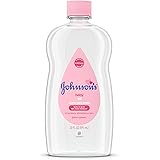
Commercial baby lotions, such as Johnson’s baby lotion mentioned, are typically formulated to be gentle and hypoallergenic for infant skin. Their primary function is to moisturize and protect the skin barrier. However, the safety and efficacy of a baby lotion can be compromised when it is mixed with other ingredients not intended for combination. The careful balance of emollients and humectants in a professionally formulated lotion may be disrupted, potentially diminishing its protective qualities or introducing new irritants. The instruction to use a specific brand highlights the consumer’s trust in established products, but this trust should not extend to unverified homemade mixtures.Rose Water: Fragrance, Allergens, and Purity
Rose water is traditionally used for its soothing and aromatic properties. While it is often considered natural, its suitability for infant skin is debatable. Many commercial rose waters contain added fragrances, preservatives, or other compounds that can act as irritants or allergens for sensitive baby skin. The purity and concentration of a homemade or purchased rose water product can also vary significantly. Any ingredient containing essential oils, even in diluted form, is generally advised against for infants due due to the potential for sensitization and adverse reactions. The claim of promoting “glowing clean & clear healthy skin” through rose water lacks scientific corroboration in the pediatric dermatological field.3. The Biological Reality of Infant Skin Tone and Pigmentation
A baby’s skin tone is primarily determined by genetics and the amount of melanin produced by melanocytes in the epidermis. Melanin serves a crucial protective function against ultraviolet radiation. Skin color naturally varies across individuals and ethnicities, representing a spectrum of healthy variations. The notion that “fair” skin is inherently healthier or more desirable is a cultural construct, not a biological reality. Attempting to alter a baby’s natural pigmentation with external agents is not only ineffective but can also convey harmful messages about beauty standards. A baby’s natural complexion is a part of their unique identity and requires no modification.4. Identifying the Significant Risks of Unverified Infant Skincare Applications
The application of unverified homemade concoctions, such as a “baby skin whitening cream,” carries several substantial risks for infants. Firstly, there is a heightened risk of developing irritant contact dermatitis, characterized by redness, itching, and discomfort. Secondly, allergic contact dermatitis can occur if an infant becomes sensitized to an ingredient, leading to more severe and persistent reactions. The integrity of the skin barrier can be compromised, rendering the infant more vulnerable to infections by bacteria, fungi, or viruses. Furthermore, systemic absorption of unknown or harmful compounds through the permeable infant skin remains a significant, albeit often unquantified, concern.5. Cultivating a Safe and Healthy Skincare Routine for Infants
Establishing a simple, safe, and effective skincare routine is paramount for an infant’s well-being. This primarily involves practices that support the natural development and protection of the skin barrier. Firstly, infants should be bathed using mild, fragrance-free, pH-neutral cleansers, and bathing duration should be kept brief to prevent excessive drying. Secondly, regular moisturization with a pediatrician-recommended, hypoallergenic, and fragrance-free emollient is crucial, especially after bathing. Thirdly, protecting an infant’s delicate skin from excessive sun exposure is critical; this involves seeking shade, using protective clothing, and, for infants over six months, applying broad-spectrum mineral sunscreens sparingly. Any persistent skin concerns, such as rashes, dryness, or unusual changes in pigmentation, should always be discussed with a pediatrician or pediatric dermatologist, as professional medical advice is irreplaceable.Unraveling Baby Whitening Creams: Your Q&A
Why is baby skin so sensitive?
Baby skin has a thinner protective barrier and is more absorbent than adult skin, making it highly susceptible to irritation, allergies, and the absorption of applied substances.
Should I use homemade creams or remedies on my baby’s skin?
It is strongly advised against using homemade remedies on infant skin, as they can cause irritation, allergic reactions, and disrupt the skin’s natural protective barrier.
Are ingredients like dry milk or rose water safe for baby skin?
These ingredients can be problematic; dry milk contains exfoliating acids that may irritate, and rose water often has fragrances or unknown compounds that can cause allergies or irritation.
Is it possible to change my baby’s natural skin color?
No, a baby’s skin color is genetically determined and cannot be safely or effectively altered by creams or other external agents.
What is the best way to care for my baby’s skin?
Use mild, fragrance-free cleansers for brief baths, moisturize with pediatrician-recommended lotions, protect from sun, and consult a doctor for any persistent skin issues.