Are you navigating the often-overwhelming world of caring for your baby’s delicate skin? Many new parents feel uncertain. It is normal to want to do everything perfectly. This comprehensive guide helps simplify baby skincare. It builds upon the expert insights shared in the video above. We will explore essential tips and practical product recommendations. Learn how to address common infant skin concerns. These include cradle cap, diaper rash, and eczema. Prepare to build a gentle, effective routine. This approach will keep your little one comfortable and healthy.
Simplifying Your Baby’s Skincare Routine
Keeping things simple is key. Your baby truly does not need many products. Overloading their skin can cause irritation. Instead, focus on a core set of essentials. These items will address fundamental needs. Consider a gentle cleanser for regular bathing. A zinc-based diaper cream is also vital. Sunscreen is necessary for babies over six months. This minimal approach reduces daily stress. It also protects your baby’s sensitive infant skin. Remember, less is often more beneficial.
Prioritizing Fragrance-Free Formulas
Baby skin is naturally very sensitive. It is more prone to developing allergies. Consequently, fragrance in products can be problematic. Plant essential oils also pose a risk. Opting for fragrance-free options is wise. This choice minimizes exposure to irritants. Such products reduce the likelihood of skin reactions. If your baby tolerates scented products, that is fine. However, building a routine from scratch benefits from this precaution. It helps ensure greater skin safety.
Knowing When to Seek Professional Advice
Babies often develop various rashes. Many are harmless and resolve quickly. However, parental concern is always valid. It is important to trust your instincts. Contact your pediatrician if you are worried. Early medical advice provides reassurance. Urgent attention is needed for certain signs. Look for discomfort or pain in your baby. A fever alongside a rash is concerning. Changes in behavior also warrant a call. Watch for poor feeding or altered sleep patterns. Fussiness can also be a key indicator. Prompt medical evaluation is crucial in these cases.
Gentle Baby Bathing Practices
Bathing your baby requires a gentle touch. The first few weeks involve special care. Your pediatrician will offer specific guidance. Keeping the umbilical stump dry is paramount. This continues until it falls off completely. A sponge bath is often easiest initially. This method prevents full submersion. It keeps the baby warm and secure. You can efficiently clean specific body parts. Save the diaper area for last. This helps prevent germ spread. It also allows for easier clean-up.
Choosing the Right Bath Products and Tools
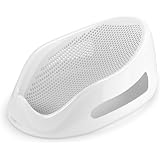
Once ready for a traditional bath, a good tub helps. The Angelcare baby bath tub is a great choice. It offers comfortable support for infants. Ensure the bathwater temperature is perfect. It should be comfortably lukewarm. Test it with your hand thoroughly. Room temperature is also important. A warm room prevents chilling. Babies can lose heat very quickly. A space heater can be beneficial. These preparations create a cozy experience.
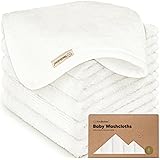
Select a gentle, two-in-one wash and shampoo. Tear-free formulas are highly recommended. Accidental suds can get into eyes. A tear-free product prevents discomfort. CeraVe Two-in-One Baby Wash and Shampoo is a popular option. It cleans effectively and lathers well. Focus on cleaning all folds and creases. Milk and debris can accumulate there. Your clean fingertips are the best tool. They offer gentle, controlled pressure. Use a soft washcloth for heavily soiled areas. Dispose of it properly after one use. A 10-pack of muslin washcloths is very practical.
Consider Mustela Newborn Baby Foam Shampoo. This product features an easy-to-use pump. It is also tear-free. This specific formula is excellent for cradle cap. It helps lift greasy scales gently. This makes it a versatile product. Babies typically do not need daily washing. One to two times a week is often sufficient. However, daily water baths are fine if enjoyed. Limit soap application to two or three times weekly. This maintains skin hydration. It prevents excessive dryness.
Moisturization for Sensitive Baby Skin
Post-bath moisturization is optional for some babies. If your baby’s skin is not dry, it might not be needed. However, studies show no prevention of eczema. Regular moisturizing does not stop atopic dermatitis. Yet, for dry skin, it is incredibly helpful. Apply moisturizer at least once daily. Pipette Baby Lotion is a lightweight choice. It is fragrance-free and rubs in easily. The Aveeno Baby Daily Moisture Lotion is also effective. These lotions are gentle and absorb quickly. Many adult lotions, like CeraVe Cream, are also suitable. Always opt for fragrance-free versions.
Addressing Common Baby Skin Conditions
Parents frequently encounter various baby skin issues. Knowing how to identify and manage them helps. Early intervention can prevent worsening. Consult your doctor for any persistent concerns. Your pediatrician can offer specific guidance. They ensure appropriate care is given. This proactive approach supports your baby’s health.
Understanding Cradle Cap
Cradle cap, or infant seborrheic dermatitis, is common. It appears as yellow, crusty patches. These occur on the baby’s scalp. It does not typically bother the baby. However, it can concern parents. It usually resolves naturally over months. Treatment is not always necessary. If treating, daily shampooing helps. It gently breaks down the scales. Regular baby shampoo works well. Nizoral shampoo with 1% ketoconazole can be more effective. Be careful, as it is not tear-free. Applying 100% mineral oil before baths helps. It softens the scales for easier removal. The Frida Baby Flake Fixer is a multi-part tool. It effectively loosens and lifts scales.
Managing Baby Acne and Milia
Baby acne is known as neonatal cephalic pustulosis. It begins around the third week of life. It typically resolves by three months. This condition presents as small white and red bumps. Blackheads are not usually present. It often appears on cheeks, chin, and forehead. It differs from adult acne. Malassezia yeast may play a role. Treatment is generally not advised. It usually leaves no scarring. For persistent cases, a doctor might prescribe 2% ketoconazole cream. Over-the-counter clotrimazole cream is also an option. Apply these antifungal creams once daily for a few days.
Milia are often mistaken for acne. These are tiny, pearl-like white bumps. They result from trapped keratin under the skin. Milia are incredibly common in newborns. They usually appear on the nose, cheeks, and forehead. Baby milia typically disappear on their own. No intervention is usually needed. Most milia resolve within one to two months. Consult your doctor for any lingering spots.
Caring for Baby Eczema (Atopic Dermatitis)
Atopic dermatitis, or eczema, can affect babies. It is caused by genetic and environmental factors. Family history of eczema, asthma, or allergies increases risk. Eczema often first appears on the cheeks. It presents as a red, scaly rash. Drooling can worsen these patches. The rash can spread to the trunk and limbs. Eczema can significantly impact sleep. It also affects a baby’s overall comfort. Early consultation with a pediatrician or dermatologist is vital. They can provide management strategies.
Consistent moisturization is the primary recommendation. This is crucial for all eczema sufferers. Even with prescription medication, moisturizing remains essential. Apply a gentle moisturizer twice daily. Do this every single day. This step helps manage symptoms. It also prepares for doctor’s appointments. You can then discuss ongoing interventions. This approach ensures effective care. It helps keep flares under control.
Effective Diaper Rash Treatment and Prevention
Diaper rash is a common baby ailment. It results from moisture, friction, and irritants. Urine and stool compounds break down skin. Some wipes can also cause irritation. Once irritated, the skin is vulnerable. Bacteria and yeast can then proliferate. Pre-existing conditions like eczema worsen it. Prompt action is key to resolution. Consistent care prevents further issues. Addressing these factors quickly helps.
Diaper Changing Practices and Product Choices
Frequent diaper changes are paramount. Do not let your baby sit in wetness. “Airtime” without a diaper is beneficial. Change diapers every two hours for severe rash. This may seem wasteful but prevents pain. Early intervention prevents worsening conditions. Super absorbent disposable diapers are best. Cloth diapers retain more moisture. Coterie diapers are soft and absorbent. Pampers are a reliable, thin, and absorbent option. Always change soiled diapers quickly when out. This prevents prolonged exposure to irritants.
Choose gentle, alcohol-free wipes. Avoid fragrance and essential oils. WaterWipes are a popular choice. They are mostly water and very gentle. Wipe gently to remove soiled residue. Avoid aggressive scrubbing. Diaper cream forms a protective barrier. Apply it thickly, like “frosting a cake.” You do not need to remove all cream at each change. Wipe away only visibly soiled portions. Reapply a fresh layer afterwards. This minimizes skin irritation from wiping. Look for creams with zinc oxide. Desitin and Triple Paste are excellent options.
Essential Baby Sun Protection Strategies
Sun protection is vital for infants. Babies should be kept out of direct sun. Limit indirect sun exposure significantly. Infants cannot regulate temperature well. They cannot communicate overheating or burns. Sunscreen labels usually say “6 months or older.” However, sunscreen can be used under six months. It is safe if sun exposure is unavoidable. Always prioritize physical barriers first.
Sun Protective Clothing and Hats
Sun protective clothing is highly recommended. It offers the best defense. Look for brands like Mott 50 or Coolibar. Patagonia also makes great options. A wide-brim hat is equally important. Long sleeves and pants add protection. Even without a UPF rating, they help. Introduce hats early to your baby. Starting young creates a positive habit. This makes future sun protection easier. Kids are impressionable; teach good habits now. These practices set them up for lifelong sun safety.
Choosing and Applying Baby Sunscreen
Sunscreen plays a crucial role. Many wonder about mineral versus chemical sunscreens. Chemical filters can be absorbed into the bloodstream. However, this does not mean they cause harm. They have been used safely for years. Babies and kids are less studied. For peace of mind, choose mineral sunscreens. These use zinc oxide and titanium dioxide. Mineral sunscreens are often less irritating. This makes them ideal for sensitive skin. However, formulation matters more than filter type. Gentle chemical sunscreens exist. Harsh mineral ones also exist. Choose what your child tolerates well.
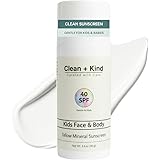
Pipette Baby Mineral Sunscreen SPF 50 is a good choice. It rubs in well with minimal white cast. Note that it is not water-resistant. For water activities, choose water-resistant options. Look for 80 minutes of water resistance. Blue Lizard Baby Mineral Sunscreen SPF 50 offers this. EltaMD UV Pure sunscreen rubs in very well. Banana Boat Simply Kids lotion is another solid option. Apply sunscreen first if using bug spray. Then layer bug repellent on top. This concludes our comprehensive baby skincare overview. Hopefully, these tips empower you.
Dermatologist Q&A: Your Baby Skincare Questions Answered
What is the most important thing to remember for a baby’s skincare routine?
The key is to keep it simple, using minimal products to avoid irritation. Always prioritize fragrance-free formulas for your baby’s sensitive skin.
How often should I bathe my baby, and what kind of products should I use?
Babies don’t typically need daily washing; 1-2 times a week is often sufficient, though daily water baths are fine. Use a gentle, tear-free, two-in-one wash and shampoo, focusing on fragrance-free options.
Do I need to moisturize my baby’s skin every day?
Moisturization is optional if your baby’s skin is not dry. However, for dry skin, apply a gentle, fragrance-free moisturizer at least once daily to help manage dryness.
What is cradle cap, and how can I treat it?
Cradle cap appears as yellow, crusty patches on a baby’s scalp and usually resolves on its own. If treating, daily shampooing or applying mineral oil before baths can help soften and remove the scales.
When can I start using sunscreen on my baby?
While labels often suggest 6 months or older, sunscreen can be used on babies under six months if sun exposure is unavoidable. Always prioritize physical barriers like sun-protective clothing and hats first.