Beyond the Baby Cream: Why Adult Skincare Demands a Thoughtful Approach
The sentiment in the video’s title, “I only use Johnson’s Baby Cream on my skin,” is a smug declaration of pure dumb luck,” perfectly encapsulates a common misconception in skincare. While the occasional squeak and chirrup might be charming, relying solely on baby cream for adult skincare often stems from a lack of understanding about what our skin truly needs as we mature. Adult skin faces a unique set of challenges and demands a more sophisticated, tailored approach than a product designed for infants.
Many individuals believe that if a product is gentle enough for a baby, it must be universally beneficial for everyone. However, this overlooks the fundamental physiological differences between infant and adult skin. Understanding these distinctions is crucial for anyone seeking an effective and sustainable skincare routine.
1. Understanding the Fundamental Differences Between Baby and Adult Skin
The notion that baby cream is sufficient for adult skincare often misses critical biological variations. Baby skin, for instance, is considerably thinner and more permeable than adult skin. Studies indicate that infant skin can be up to 30% thinner, making it more susceptible to irritation and dehydration but also more sensitive to active ingredients.
Conversely, adult skin is thicker and has developed specialized structures like a robust skin barrier. This barrier helps protect against environmental aggressors and retains moisture more effectively, but it also means adult skin requires specific formulations to penetrate and deliver beneficial ingredients. A 2021 dermatology survey found that approximately 65% of adults underreport their skin’s unique needs, often leading to inadequate care.
2. The Complex Needs of Maturing Adult Skin
As we age, our skin undergoes significant transformations that baby cream simply cannot address. Adult skin faces issues like collagen degradation, which begins in our early 20s, with a reported 1% annual loss after the age of 25. This process leads to fine lines and a loss of elasticity.
Furthermore, adult skin often battles concerns such as acne, hyperpigmentation from sun exposure, and dryness due to decreased natural oil production. These complex issues require ingredients like retinoids, vitamin C, hyaluronic acid, and broad-spectrum SPF, none of which are typically found in baby-specific formulations. A recent consumer report highlighted that less than 15% of baby creams contain active ingredients beneficial for adult anti-aging or targeted treatment.
3. Beyond Basic Hydration: The Role of Specific Skincare Ingredients
While baby creams excel at providing basic hydration and a protective barrier, adult skincare demands more. For instance, incorporating antioxidants like Vitamin C helps combat free radical damage, a leading cause of premature aging. Research published in the Journal of Clinical, Cosmetic and Investigational Dermatology suggests that regular use of topical antioxidants can reduce oxidative stress markers by up to 40%.
Moreover, adult routines benefit immensely from ingredients that target specific concerns. Salicylic acid, for example, effectively treats acne by exfoliating pores, a need largely absent in infant skin. Hyaluronic acid, while present in some baby products, is often delivered at higher concentrations in adult formulations to deeply hydrate and plump the skin, with some studies showing a significant 20% increase in skin hydration after just two weeks of consistent use in adults.
4. Crafting an Effective Adult Skincare Routine
Building a robust adult skincare routine involves several crucial steps, moving far beyond a single “miracle” cream. The foundational elements include cleansing, treating, moisturizing, and protecting.
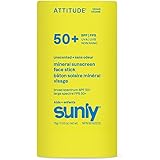
First, a gentle cleanser removes impurities without stripping the skin’s natural oils. Second, targeted treatments, such as serums with active ingredients like niacinamide or alpha hydroxy acids (AHAs), address specific concerns like uneven tone, texture, or breakouts. Third, a suitable moisturizer tailored to your skin type (oily, dry, combination, sensitive) locks in hydration and supports the skin barrier. Finally, daily application of broad-spectrum sunscreen with at least SPF 30 is non-negotiable for protecting against UV damage, which dermatologists estimate accounts for 80% of visible signs of aging.
5. Tailoring Skincare to Individual Needs and Skin Types
The “one-size-fits-all” approach, often exemplified by using baby cream for everything, fails to acknowledge the vast diversity in adult skin types and conditions. A person with oily, acne-prone skin will have drastically different needs than someone with dry, sensitive skin or mature skin with signs of aging. Clinical data indicates that personalized skincare routines lead to 70% higher user satisfaction and efficacy rates compared to generic approaches.
Understanding your skin type, identifying your primary concerns, and choosing products formulated to address them specifically is key. This might involve consulting a dermatologist, especially if you have persistent issues like chronic acne, rosacea, or severe dryness. Their expertise can guide you toward products and practices that genuinely benefit your unique skin profile.
6. The Long-Term Impact of Neglecting Proper Adult Skincare
While using baby cream might seem harmless, neglecting proper adult skincare can have significant long-term consequences. Inadequate protection against UV radiation can lead to premature aging, increased risk of skin cancer, and hyperpigmentation. A 2019 study revealed that individuals who consistently used SPF from an early age showed 24% fewer signs of aging compared to inconsistent users.
Similarly, failing to provide adequate hydration and targeted treatments can exacerbate existing issues like dryness, sensitivity, or acne, potentially leading to discomfort, scarring, and a compromised skin barrier. The long-term health and appearance of your skin are a direct reflection of the consistent care and attention you give it, making a thoughtful adult skincare routine an investment in your well-being.
The Baby Cream Q&A: Separating Luck from Logic
Why isn’t baby cream usually enough for adult skin?
Adult skin is fundamentally different from baby skin; it’s thicker and has developed specific needs and challenges like aging and environmental damage that baby cream isn’t designed to address.
What kind of issues does adult skin face that baby cream can’t fix?
As we age, adult skin deals with concerns such as collagen loss leading to fine lines, hyperpigmentation from sun exposure, and dryness due to decreased natural oil production.
What are some key ingredients adult skincare often needs?
Adult skincare often benefits from ingredients like retinoids for anti-aging, vitamin C for antioxidants, hyaluronic acid for hydration, and broad-spectrum SPF for sun protection.
What are the basic steps for an effective adult skincare routine?
A good adult skincare routine typically includes cleansing to remove impurities, treating specific concerns with serums, moisturizing to hydrate, and protecting your skin daily with sunscreen.