Streamlining Mealtime: The Genius of Baby Bottle Spoons for Mess-Free Feeding
As every parent knows, introducing solids to your little one is a milestone filled with joy, discovery, and, often, a significant amount of mess. The delightful splatters of pureed carrots on the wall, the tiny hands artfully smearing mashed peas across the high chair tray, and the inevitable dribbles down baby’s chin are all part of the journey. While these moments are certainly memorable, they can also be a source of frustration and endless cleanup. This is where innovative feeding accessories, such as the baby bottle spoon, come into play, offering a revolutionary approach to making mealtime smoother and significantly more mess-free.
The video above likely showcased the practical advantages of these clever tools, and we’re here to dive deeper into why they’ve become a must-have for modern parents. Imagine if you could significantly reduce the chaos of feeding your infant without sacrificing nutrition or bonding time. These specialized spoons are designed precisely for that purpose, transforming the feeding experience into something far more manageable and enjoyable for both parent and child.
What Exactly Are Baby Bottle Spoons and How Do They Work?
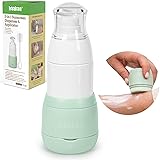
At its core, a baby bottle spoon is an ingenious hybrid: it combines the liquid storage and dispensing mechanism of a baby bottle with the functionality of a spoon. Typically made from soft, food-grade silicone, the body of the ‘bottle’ is squeezable, allowing you to dispense a controlled amount of food directly onto the attached spoon. This design eliminates the need for separate bowls and spoons, minimizing spills and simplifying the entire feeding process.
Parents often find themselves juggling a jar of baby food, a traditional spoon, and a squirming infant. This multi-tasking challenge frequently results in more food on the floor or baby’s clothes than in their mouth. A bottle spoon consolidates these elements into a single, easy-to-handle unit, making one-handed feeding a realistic and much-appreciated possibility. This consolidation is a game-changer for on-the-go meals or quick snacks at home.
Unlocking the Benefits: Why Choose Mess-Free Feeding Accessories?
The advantages of incorporating a baby bottle spoon into your feeding routine are numerous, extending beyond just cleanliness. Firstly, they offer unparalleled convenience. Preparing for a feeding session becomes as simple as filling the bottle spoon with your chosen puree, snapping on the lid, and you’re ready to go. There’s no need to pack multiple containers or worry about finding a clean spoon when you’re out and about.
Secondly, portion control is effortlessly achieved. Each gentle squeeze delivers a consistent amount of food, preventing overfeeding and ensuring that less food is wasted. This can be particularly beneficial when you’re introducing new flavors and want to offer just a small taste without committing to a full bowl. Furthermore, the soft silicone spoon tips are gentle on sensitive gums, making them ideal for teething babies or those just starting their solid food journey.
Think about those moments when your baby is just starting to grasp and explore food. A traditional spoon can be cumbersome for little hands, and they often knock it away, leading to spills. The bottle spoon allows the parent to maintain control while the baby can still interact and learn to eat from a spoon-like utensil, paving the way for independent feeding in the future.
Ideal Foods for Your Baby Bottle Spoon
While versatile, baby bottle spoons are best suited for certain types of baby food. Primarily, they excel with smooth purees, whether homemade or store-bought. Think finely blended fruits like applesauce or bananas, vegetable purees such as sweet potato or peas, and even thin rice cereals mixed with breast milk or formula. The consistency is key; foods that are too thick or chunky will struggle to pass through the dispensing mechanism, defeating the purpose of the easy-squeeze design.
For parents venturing into more textured foods, a slightly thicker puree might still work, but you’ll need to test it to ensure smooth flow. Avoid anything with large chunks, stringy textures, or very dense mixtures. The idea is to make feeding simpler, not to create a blockage. Experiment with different purees to discover what works best for your specific bottle spoon and your baby’s preferences.
Choosing the Right Baby Bottle Spoon: Key Considerations
With a variety of baby bottle spoons on the market, selecting the best one for your family involves a few considerations. Material safety is paramount; always opt for food-grade silicone that is BPA-free, PVC-free, and phthalate-free. This ensures your baby is not exposed to harmful chemicals during feeding.
Consider the spoon’s capacity. Smaller capacities might be ideal for beginners or quick snacks, while larger ones are better for full meals. The design of the spoon tip is also important; some feature a narrower tip for smaller mouths, while others have a wider, flatter design. A soft, pliable spoon tip is always preferable to protect your baby’s gums and developing teeth. Finally, look for models that are easy to disassemble and clean, preferably dishwasher-safe, to maintain optimal hygiene.
Imagine a product that not only simplifies feeding but also eases your mind regarding safety and maintenance. These thoughtful design elements contribute significantly to a positive user experience. Some bottle spoons even come with protective caps, making them perfect for tossing into a diaper bag without worrying about spills or contamination.
Tips for Introducing and Using Your Baby Food Dispensing Spoon
Introducing any new feeding tool to your baby requires patience and a gentle approach. Start by letting your baby play with the empty spoon, allowing them to explore its texture and shape. When it’s time for feeding, ensure your baby is in a comfortable, upright position, either in a high chair or cradled securely.
Begin by dispensing a very small amount of puree onto the spoon tip. Gently present it to your baby’s mouth, allowing them to open and take the food at their own pace. Avoid forcing the spoon into their mouth. Watch for hunger cues and signs of fullness, stopping when your baby indicates they’ve had enough. This process helps foster a positive relationship with food and new feeding utensils.
Remember, the goal is not just to feed your baby but to help them develop essential oral motor skills and an understanding of eating. Even with a convenient feeding accessory like a baby food dispensing spoon, interaction and responsiveness remain crucial. Make eye contact, talk to your baby, and make mealtime a pleasant, engaging experience.
Cleaning and Maintaining Your Silicone Feeding Spoon
Hygiene is critical when it comes to baby feeding products. After each use, it’s essential to thoroughly clean your baby bottle spoon. Most silicone bottle spoons are designed for easy disassembly, allowing you to clean each component separately. Wash with warm, soapy water, ensuring all food residue is removed, especially from crevices and around the spoon tip. A small bottle brush can be helpful for reaching tighter spots.
Many models are also dishwasher-safe, offering an even more convenient cleaning option. Regularly sterilizing the bottle spoon, especially during the newborn and early infant stages, is also a good practice. This can be done by boiling, using a steam sterilizer, or following the manufacturer’s specific instructions. Proper cleaning and maintenance not only ensure safety but also prolong the life of your valuable feeding accessories.
Transitioning from Bottle Spoons to Traditional Spoons
While baby bottle spoons are excellent for convenience and mess-free feeding, they are generally a transitional tool. As your baby grows and develops better hand-eye coordination and fine motor skills, you’ll want to introduce traditional spoons and bowls. This transition is a natural part of fostering independence and preparing them for self-feeding.
Start by letting your baby hold a small, infant-friendly spoon during meal times, even if you are still using the bottle spoon to feed them. Encourage them to dip it into a bowl of food. Gradually, you can reduce your reliance on the bottle spoon, offering more food from a traditional spoon, and allowing your baby to try self-feeding with their own spoon. This gradual approach ensures a smooth transition and helps your baby build confidence in their eating abilities, moving them towards more diverse baby feeding strategies.
The journey of introducing solids is dynamic, filled with various stages and new discoveries. Leveraging tools like the baby bottle spoon provides a fantastic foundation, minimizing stress during the early phases and allowing parents to focus on the joy of watching their child explore new tastes and textures, ultimately making for a more pleasant and mess-free feeding experience for everyone involved.
Your Mess-Free Feeding Q&A: Spooning Up the Answers
What is a baby bottle spoon?
A baby bottle spoon is a clever tool that combines a squeezable bottle for food storage with a spoon tip. This design allows you to dispense baby food directly onto the spoon, making feeding easier and less messy.
What are the main benefits of using a baby bottle spoon?
These spoons offer great convenience by eliminating the need for separate bowls and spoons, reduce mealtime mess, and help with portion control. Their soft silicone tips are also gentle on a baby’s sensitive gums.
What types of food work best with baby bottle spoons?
They are ideal for smooth purees, such as finely blended fruits, vegetables, or thin rice cereals mixed with breast milk or formula. Foods that are too thick, chunky, or stringy will not dispense well.
How should I clean a baby bottle spoon?
After each use, disassemble and wash all parts with warm, soapy water, ensuring all food residue is removed. Many models are also dishwasher-safe, and regular sterilization is recommended for optimal hygiene.